 Skip to content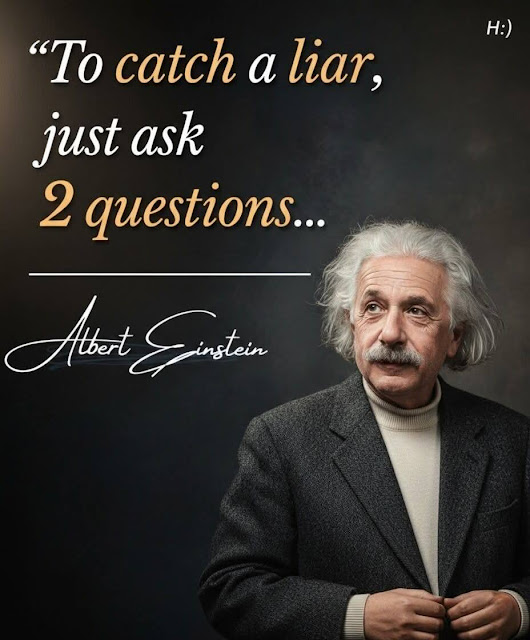
The idea that you can catch a liar by asking just two perfect questions is very popular online, but in reality, human deception is far more complex. There is no magic formula that guarantees you can instantly detect lying. However, psychology does show that certain types of questions and responses can help reveal inconsistencies in a person’s story.
The key is not the number of questions—it’s how the mind reacts under pressure when trying to maintain a false story.
Let’s break it down in a realistic and responsible way.
🧠 1. “Can you tell me the story again in reverse order?”
This type of question is used in cognitive interviewing techniques.
Why it works:
- Lies are usually rehearsed in a logical sequence
- Reversing the timeline requires mental effort
- Truthful memories are easier to reconstruct in different orders
When someone is lying, they may:
- Hesitate or pause too long
- Change details when trying to reverse the story
- Become visibly stressed or defensive
However, nervous truthful people can also struggle, so this is not a definitive test.
🔍 2. “What detail would confirm your story is true?”
This question shifts pressure onto specific evidence.
Why it matters:
- Truthful people can usually provide verifiable details
- Liars often rely on vague or general statements
- Fabricated stories lack consistent external anchors
A truthful response might include:
- Specific times, places, or witnesses
- Logical connections to real events
- Consistent supporting details
A deceptive response may become:
- Vague
- Over-explained
- Changing when challenged
⚠️ Important reality check