 Skip to content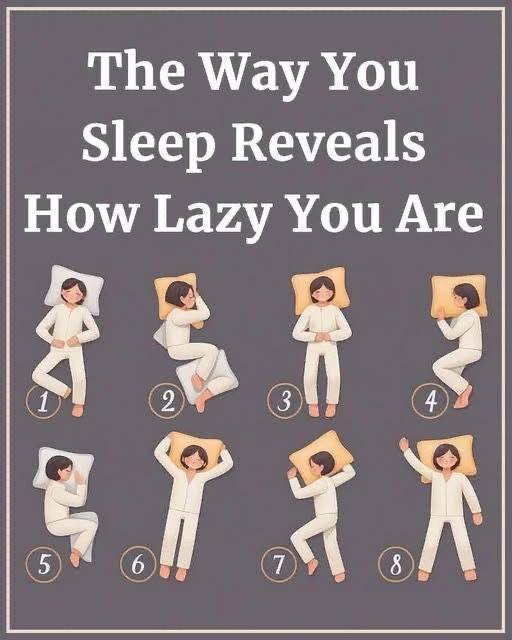
It’s easy to fall for bold claims like “your sleep position shows how lazy you are.” It sounds intriguing—and maybe even a little unsettling. But before jumping to conclusions, it’s important to separate myth from reality.
The truth is, the way you sleep doesn’t determine whether you’re lazy. However, your sleep habits can reflect certain lifestyle patterns, stress levels, and even personality tendencies. So instead of labeling people, let’s explore what your sleep behavior might actually reveal—and what it definitely does not mean.
Why “Lazy” Is the Wrong Conclusion
Calling someone lazy based on how they sleep oversimplifies human behavior. Productivity, motivation, and energy levels are influenced by many factors: mental health, workload, physical condition, and even environment.
Sleep, on the other hand, is primarily about recovery. Your body and brain use sleep to repair, recharge, and regulate important functions. Judging someone’s character based on how they rest misses the bigger picture.
What Your Sleep Habits Can Actually Reveal
While sleep position alone doesn’t define personality, your overall sleep habits can offer clues about your daily life.
1. Oversleeping May Signal Fatigue, Not Laziness
If someone regularly sleeps more than usual, it’s often a sign their body needs extra recovery. This could be due to stress, poor sleep quality, or a demanding schedule.
In some cases, oversleeping can also be linked to emotional burnout. It’s not about avoiding responsibility—it’s about the body trying to cope.
2. Irregular Sleep Patterns Reflect Lifestyle Imbalance
Going to bed at different times every night or struggling to maintain a routine can point to a busy or inconsistent lifestyle.
This doesn’t mean a person lacks discipline. It may simply indicate that their schedule is unpredictable or that they’re juggling multiple responsibilities.
3. Sleep Positions and Comfort
People often choose sleep positions based on comfort, not personality traits.
- Sleeping curled up might help someone feel secure
- Sleeping spread out could simply mean they have more space
- Sleeping on the side or back is usually about physical comfort or habit
There’s no scientific evidence that these positions indicate laziness or motivation levels.
4. Difficulty Waking Up Can Have Real Causes
Struggling to wake up early is often misunderstood. It can be influenced by sleep cycles, bedtime habits, or even natural body rhythms.
Some people are naturally more alert at night, while others function best in the morning. This variation is normal and not a measure of effort or ambition.
The Real Factors Behind Energy and Productivity