 Skip to content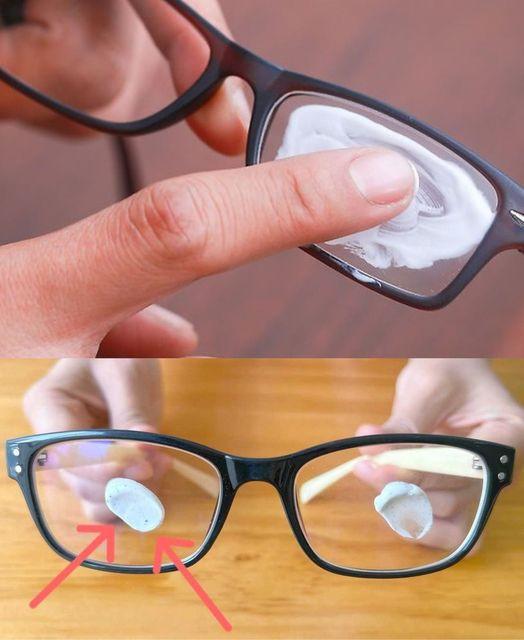
Scratches on glasses are one of the most common frustrations for people who wear prescription lenses or sunglasses. One day your lenses are crystal clear, and the next you notice tiny lines that catch the light, blur vision, or make everything look slightly distorted.
At that point, many people search online for “instant fixes” that promise to erase scratches completely. Some even suggest using household items that claim to make lenses look brand new again.
But here’s the truth that most opticians and eye care professionals agree on:
👉 Deep scratches on glasses cannot truly disappear at home.
👉 However, you can improve clarity, reduce visibility of minor marks, and prevent further damage with the right care.
Let’s break everything down in a simple, practical, and honest way so you don’t waste money or damage your lenses further.
🧠 FIRST: Why glasses get scratched so easily
Modern lenses are designed to be thin, lightweight, and often coated with special layers like:
- Anti-reflective coating
- Blue light protection
- UV protection
- Scratch-resistant coating
Even with these layers, scratches still happen because:
Common causes include:
- Cleaning with rough cloth or tissue
- Placing glasses face-down
- Dust or sand particles
- Carrying them without a case
- Accidentally rubbing against hard surfaces
👉 Over time, even small habits can create micro-damage that builds up.
🧴 1. The ONLY safe first step: proper cleaning
Before assuming you have scratches, always clean your lenses correctly.
✔️ Safe cleaning method:
- Rinse glasses with lukewarm water
- Apply a drop of mild, non-abrasive soap
- Gently rub with fingertips
- Rinse again
- Dry with a clean microfiber cloth
👉 This removes oil, dust, and smudges that are often mistaken for scratches.
🪶 2. Microfiber cloth: your best everyday tool
A high-quality microfiber cloth:
- Lifts dust safely
- Reduces smudges
- Prevents micro-scratches
🧠 Important rule:
Only use microfiber designed for lenses.
❌ Avoid:
- Tissues
- Paper towels
- Shirt sleeves
- Rough fabrics
👉 These can worsen scratches over time.
💡 3. What people THINK works (but doesn’t)
Online, you’ll often see “quick fixes” such as:
❌ Toothpaste
❌ Baking soda paste
❌ Vinegar mixtures
❌ Household oils
❌ DIY polishing tricks
🧠 The reality:
These substances are abrasive or chemically harsh and can:
- Remove protective coatings
- Make scratches worse
- Permanently damage anti-glare layers
- Reduce lens clarity over time
👉 What looks like a “fix” often causes long-term harm.
🧴 4. Why scratches cannot be truly removed
It helps to understand the structure of lenses:
Glasses are not just plastic or glass—they contain multiple thin layers.
When a scratch happens:
- It physically removes material
- It damages protective coatings
- It creates grooves that bend light incorrectly
👉 Once material is removed, it cannot be restored at home.
👁️ 5. What you CAN do for very light scratches
If scratches are extremely fine and superficial, you may notice slight improvement in appearance by:
✔️ Thorough cleaning
✔️ Using optical-safe cleaning sprays
✔️ Polishing gently with microfiber cloth
👉 These steps do NOT remove scratches, but they can:
- Reduce glare
- Improve visual comfort
- Make marks less noticeable
🕶️ 6. When replacement is the only real solution
You should consider new lenses if:
- Scratches affect your vision
- You see light distortion or glare
- Coating is peeling or damaged
- Glasses look cloudy even after cleaning
👉 In these cases, no home remedy will restore clarity.
🧠 7. Professional options available