 Skip to content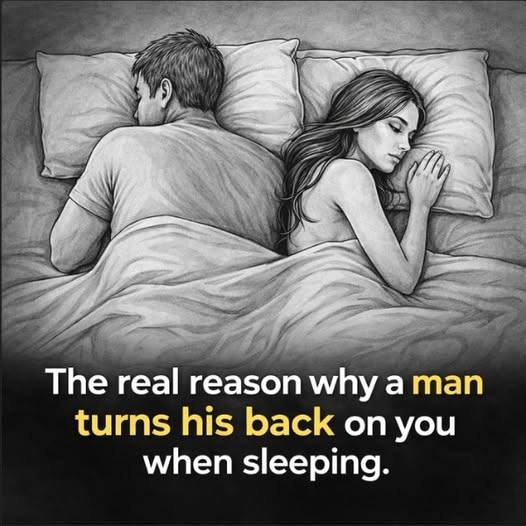
Sleep habits in couples often get interpreted as signs of relationship problems. One of the most common assumptions is that if your partner turns their back on you while sleeping, it must mean something emotional—like distance, anger, or loss of interest.
But here’s the truth most relationship experts and sleep researchers agree on:
👉 Sleeping position is usually about comfort, not communication.
Let’s break down what this behavior actually means.
🧠 1. Sleep Position Is About Comfort, Not Emotion
When people fall asleep, the brain switches into a rest-and-repair mode. At this stage, emotional signaling is not active.
Turning away during sleep usually means:
- The body is trying to find a comfortable position
- Temperature regulation (staying cooler or warmer)
- Reduced pressure on joints or muscles
It is rarely a conscious or emotional decision.
So if your partner turns their back, it is not a hidden message—it’s often just physical comfort.
🌙 2. Everyone Moves During Sleep
Studies on sleep behavior show that most people change positions multiple times during the night without realizing it.
Common reasons include:
- Changing pressure points
- Improving breathing comfort
- Preventing numbness or stiffness
- Natural movement during sleep cycles
👉 Even deeply affectionate couples naturally adjust positions while sleeping.
💞 3. Relationship Security Can Actually Improve Sleep Space
Interestingly, research in sleep psychology suggests that people in stable relationships often sleep more freely.
Why?
- They feel emotionally safe
- They don’t need constant physical reassurance during sleep
- They relax into natural sleeping positions
This means turning away is not rejection—it can actually reflect comfort and trust.
🌡️ 4. Temperature and Environment Play a Big Role
Another major factor is simple biology:
- Humans sleep better when slightly cooler
- Body heat can build up when facing each other
- Turning away helps regulate temperature
This is especially common in warmer climates or under thick blankets.
🧬 5. Personal Sleep Habits Matter More Than You Think
Everyone has a natural “sleep preference,” such as:
- Side sleeping
- Back sleeping
- Facing a certain direction
- Needing personal space to fall asleep
When two people share a bed, these habits don’t disappear—they adjust.
So your partner turning away may simply reflect their natural sleep style.
⚠️ What It Does NOT Mean