 Skip to content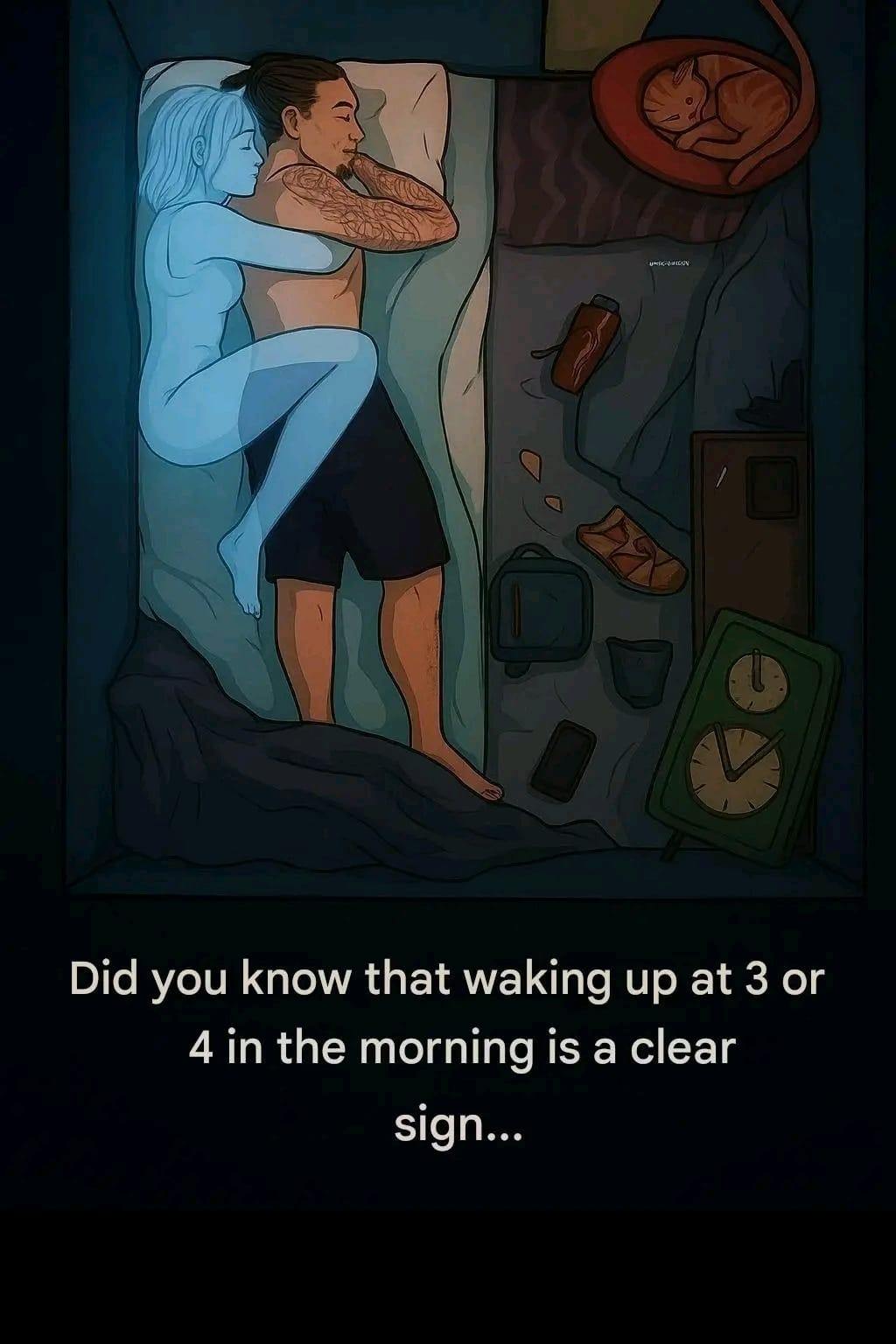
Waking up suddenly in the middle of the night—especially around 3 or 4 a.m.—is something many people experience at some point. While it can feel strange or even frustrating, in most cases it is not a mysterious condition or a “hidden warning,” but rather a combination of sleep cycles, stress levels, and lifestyle habits.
Understanding why this happens can help you improve your sleep quality and feel more rested.
🧠 1. NATURAL SLEEP CYCLE CHANGES
Sleep is not a continuous “off” state. It happens in cycles:
- Light sleep
- Deep sleep
- REM (dream) sleep
During the early morning hours (around 3–4 a.m.), the body naturally moves closer to lighter sleep stages.
👉 This means you are more likely to wake up briefly, even without realizing why.
For some people, especially those with lighter sleep, this transition becomes more noticeable.
😰 2. STRESS AND OVERACTIVE MIND
One of the most common reasons for waking up at night is stress.
When the mind is overloaded:
- The brain stays alert even during sleep
- Stress hormones may remain elevated
- Thoughts may become more active at night
This can cause:
- Sudden waking
- Difficulty falling back asleep
- Racing thoughts
👉 Even if you don’t feel stressed during the day, your body may still be processing it at night.
🍽️ 3. LATE MEALS OR DIGESTION ACTIVITY
What you eat in the evening can affect your sleep.
Heavy or late-night meals may:
- Keep digestion active during sleep
- Increase body temperature
- Disrupt deep sleep cycles
This can lead to waking up in the early morning hours.
☕ 4. CAFFEINE OR STIMULANTS
Caffeine is not only found in coffee—it can also be in:
- Tea
- Energy drinks
- Chocolate
- Some medications
Even if consumed earlier in the day, caffeine can stay in your system for hours.
👉 This may make sleep lighter and more fragmented.
🌡️ 5. ROOM TEMPERATURE AND ENVIRONMENT