 Skip to content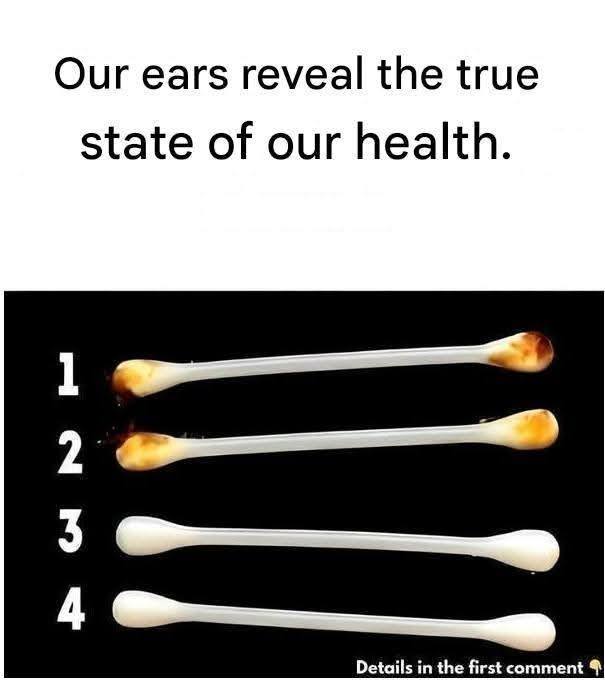
Our Ears Reveal the True State of Our Health
Most people think of ears only as organs for hearing—but they can also offer subtle clues about your overall health. Changes in the ears, whether in shape, color, sensation, or sound, may reflect what’s happening inside your body.
While ears alone cannot diagnose diseases, paying attention to unusual signs can help you notice early changes and seek medical advice when needed.
Let’s explore what your ears might be telling you.
👂 1. Ringing in the Ears (Tinnitus)
A persistent ringing, buzzing, or humming sound is known as Tinnitus.
Possible causes include:
- Exposure to loud noise
- Earwax buildup
- Stress or fatigue
- Circulatory issues
Occasional ringing is common, but frequent or constant noise should be evaluated.
🩸 2. Crease in the Earlobe
A diagonal crease in the earlobe has been linked in some studies to heart-related concerns.
While not a definitive diagnosis, some researchers suggest a possible association with:
- Reduced blood circulation
- Increased cardiovascular risk
It’s important to note that this sign alone is not enough to confirm any condition, but it may be worth discussing with a doctor if other risk factors are present.
🔥 3. Red or Hot Ears
Ears that frequently feel hot or appear red may be related to:
- Emotional reactions (stress, embarrassment)
- Hormonal changes
- Temperature sensitivity
In some cases, persistent redness could indicate inflammation or circulation changes.
❄️ 4. Pale or Cold Ears
If your ears often feel unusually cold or appear pale, it could be linked to reduced blood flow.
This may happen in:
- Cold environments
- Circulatory conditions
- Low blood pressure situations
If it happens frequently without environmental cause, it may be worth checking circulation health.
🦠 5. Itching or Irritation
Occasional itching is normal, but constant irritation may suggest:
- Skin conditions (like eczema)
- Allergies
- Fungal or bacterial infections
Avoid inserting objects into the ear, as this can worsen irritation or cause injury.
🧴 6. Excessive Earwax or Dryness
Earwax plays an important protective role, but changes in its amount or texture can be noticeable.
- Too much wax may affect hearing
- Very dry ears may indicate skin conditions
Both extremes can be managed with proper care and, if needed, medical advice.
👂 7. Hearing Changes
Gradual or sudden hearing loss should never be ignored.
It may be linked to:
- Aging
- Noise exposure
- Infections
- Nerve-related conditions
Early detection can help prevent further damage.
🧠 What Science Actually Says
Ears can reflect certain aspects of health, especially related to circulation, nerve function, and skin condition. However, it’s important to stay realistic:
- No single ear sign can diagnose a disease
- Symptoms should always be considered together
- Professional evaluation is essential for accurate diagnosis
⚠️ When Should You Pay Attention?