 Skip to content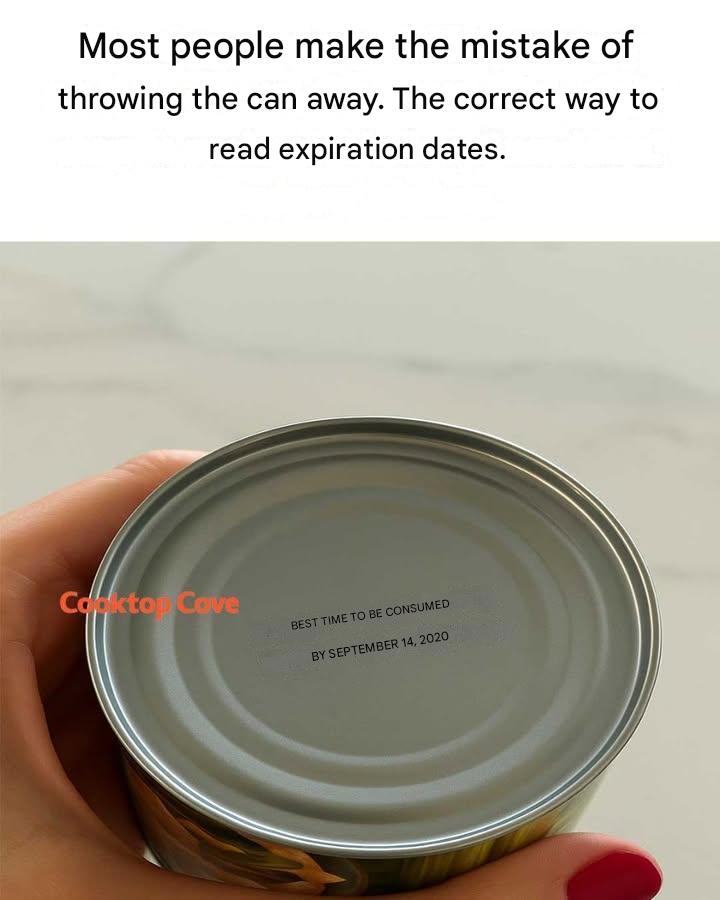
Every day, millions of people throw away perfectly good food just because they see a date printed on the package. Whether it says “expiration date,” “best before,” or “use by,” most people assume it automatically means the food is unsafe once that date passes.
But according to food safety experts, that is not always true.
In fact, misunderstanding food date labels is one of the biggest causes of unnecessary food waste worldwide. Many canned and packaged foods remain safe well beyond the printed date if stored correctly.
So what do these dates actually mean—and how should you really read them?
Let’s break it down in a simple and practical way.
🥫 1. “Best Before” Does NOT Mean “Unsafe After”
The most misunderstood label is “best before.”
This date is about quality, not safety.
It means:
- The food is at its peak flavor and texture before this date
- After this date, quality may slowly decline
- The food is often still safe to eat if stored properly
For example:
- Cookies may become less crunchy
- Canned vegetables may slightly change texture
- Pasta may lose a bit of freshness
But in most cases, the food is still safe if there are no signs of spoilage.
⚠️ 2. “Use By” Is the More Important Date
Unlike “best before,” the “use by” date is related to safety, especially for perishable foods.
This label is commonly found on:
- Fresh meat
- Dairy products
- Ready-to-eat meals
After the “use by” date:
- Bacteria may grow
- Food safety becomes uncertain
- Risk of foodborne illness increases
This is the date you should take more seriously.
🧠 3. Canned Foods Are Often Safe Much Longer