 Skip to content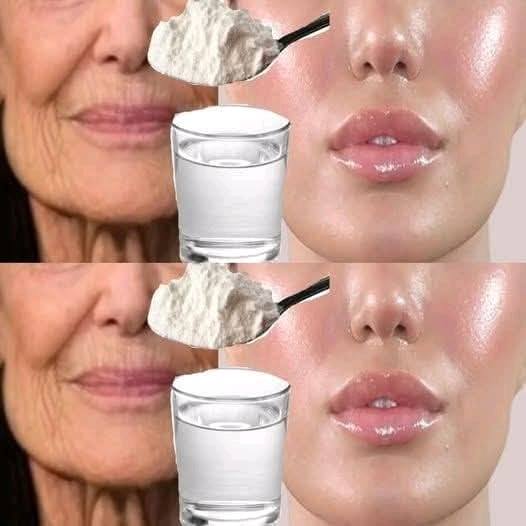
The idea of a “natural face lift” using simple home ingredients like baking soda and water has become popular on social media. Many people are drawn to it because it sounds cheap, easy, and chemical-free. But when it comes to skincare—especially anti-aging treatments—it’s important to separate viral claims from what actually works safely for your skin.
Let’s break down what baking soda really does, whether it can reduce wrinkles, and what you should know before trying it on your face.
🧪 What Is Baking Soda in Skincare?
Baking soda (sodium bicarbonate) is a mildly alkaline substance commonly used in cooking and cleaning. In skincare, it is sometimes used as an exfoliant because it can help remove dead skin cells temporarily.
However, the skin naturally has a slightly acidic protective barrier called the acid mantle, which helps:
- Protect against bacteria
- Maintain moisture balance
- Keep skin smooth and healthy
Baking soda has a much higher pH than skin, which means it can disrupt this protective layer if used too often or too aggressively.
🌸 Why People Think It “Lifts” the Face
After applying baking soda mixed with water, some people notice:
- Skin feels smoother temporarily
- Skin looks slightly brighter
- Oiliness is reduced
This happens because baking soda acts as a strong exfoliant, removing surface oils and dead skin cells.
However, this is not a true wrinkle reduction or face lift effect—it is a short-term surface change.
⚠️ Can Baking Soda Remove Wrinkles?
There is no scientific evidence that baking soda can permanently reduce wrinkles or lift sagging skin.
Wrinkles form due to:
- Loss of collagen and elastin
- Natural aging process
- Sun exposure (photoaging)
- Skin dehydration over time
Baking soda does not stimulate collagen production or repair deep skin structures. In fact, frequent use may sometimes make skin more sensitive.
🧠 Possible Risks of Using Baking Soda on the Face