 Skip to content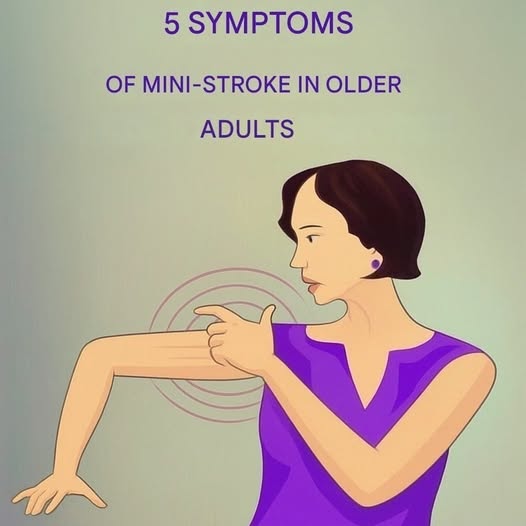
A “mini stroke” is commonly known in medicine as a transient ischemic attack (TIA). It happens when blood flow to part of the brain is briefly blocked, causing stroke-like symptoms that usually resolve within minutes or hours.
Even though symptoms may disappear quickly, a TIA is a serious warning sign. It often means a higher risk of a full stroke in the near future, especially in older adults.
👉 Important: A mini stroke is a medical emergency warning, not a harmless event.
🧠 What is a mini stroke (TIA)?
A TIA occurs when:
- A small clot temporarily blocks blood flow to the brain
- The blockage clears quickly on its own
- Brain function is briefly affected
Unlike a major stroke, it does not usually cause permanent damage—but it should never be ignored.
⚠️ 5 key symptoms of a mini stroke in seniors
🧍♂️ 1. Sudden weakness or numbness on one side of the body
What it may look like:
- One arm or leg feels weak
- Face may feel uneven or droopy
- Difficulty holding objects
👉 This is one of the most common warning signs.
🗣️ 2. Sudden speech problems
Possible symptoms:
- Slurred or unclear speech
- Difficulty finding words
- Trouble understanding others
👉 Speech changes that appear suddenly should always be taken seriously.
👁️ 3. Temporary vision changes
What may happen:
- Blurred vision
- Loss of vision in one eye
- Double vision
👉 These changes often last only a few minutes but are critical warning signs.
🚶♀️ 4. Loss of balance or coordination
Symptoms may include:
- Dizziness
- Difficulty walking
- Feeling unsteady or confused
👉 Seniors may suddenly feel like they cannot control their movement properly.
🧠 5. Sudden confusion or mental fog
What it may feel like:
- Trouble thinking clearly
- Confusion about time or place
- Difficulty concentrating
👉 This symptom is often subtle but very important.
🚨 Why a mini stroke is dangerous