 Skip to content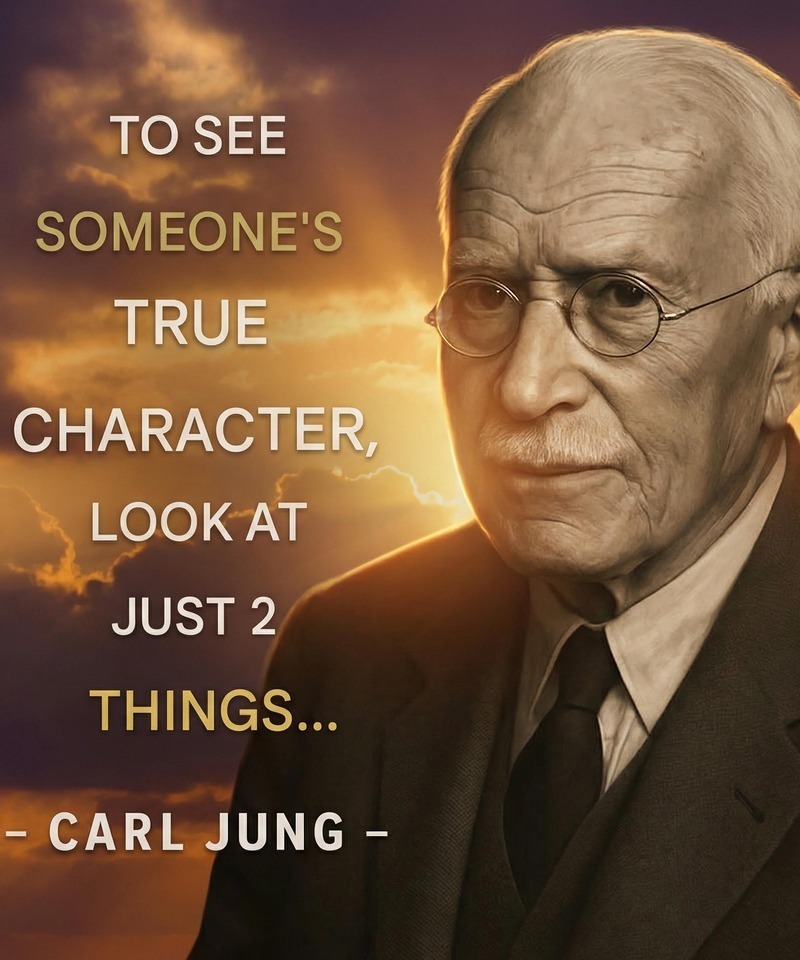
🧭 Introduction: Character Is Revealed, Not Claimed
People can say many things about who they are. They can describe themselves as honest, kind, loyal, or respectful. But real character is not defined by words—it is revealed through behavior.
In daily life, it’s easy to be influenced by first impressions. Someone may appear polite, confident, or generous at first glance. But over time, subtle patterns begin to show their true nature.
Psychologists often say that character is not seen in big moments alone, but in small, repeated actions when no one is watching—or when pressure appears.
Instead of trying to analyze everything, there are actually two powerful areas you can observe to understand someone’s true character clearly.
🔍 1. How They Treat People Who Can Do Nothing for Them
One of the strongest indicators of true character is how a person treats individuals who cannot benefit them in any way.
This includes:
- Service workers
- Strangers
- Junior colleagues
- Elderly people
- People in vulnerable situations
Why does this matter so much?
Because when there is no reward, no status gain, and no personal advantage, behavior becomes authentic.
A person with strong character will:
- Show respect regardless of status
- Be polite to everyone
- Avoid arrogance or dismissal
- Treat others with basic human dignity
On the other hand, someone lacking strong character may:
- Be kind only when it benefits them
- Act superior to those they consider “less important”
- Show impatience or disrespect in small interactions
These small moments often reveal more than big speeches or social media posts ever could.
In fact, many experts in behavioral psychology agree that consistency in low-pressure interactions is one of the clearest signs of personality integrity.
🧠 2. How They Act When Things Don’t Go Their Way
The second major indicator of character is how someone behaves when they are frustrated, disappointed, or under stress.
It is easy to be calm when everything is going well. But real character appears when: