 Skip to content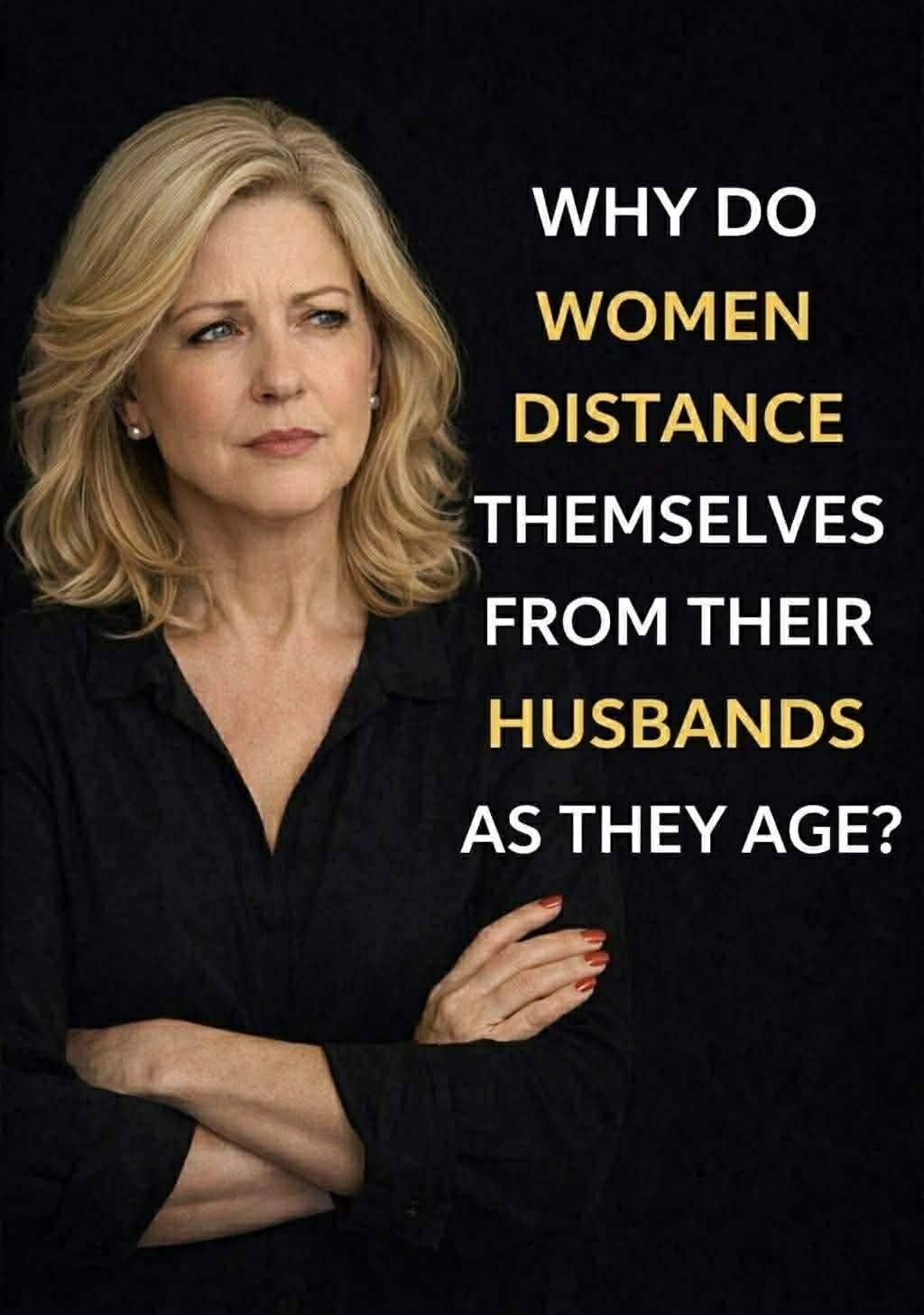
In many long-term marriages, couples notice a gradual change over time: conversations become shorter, emotional connection feels different, and sometimes one partner—often perceived as the wife—seems more emotionally distant than before.
But is this really about “women changing as they age”? The truth is far more complex, and much less stereotypical.
What people often label as “distance” is usually the result of years of evolving emotions, responsibilities, communication habits, and life transitions that affect both partners—not just one.
Let’s explore the real reasons behind this commonly misunderstood dynamic.
🧠 1. Emotional exhaustion builds over time
In many households, women often carry a large portion of the emotional and organizational workload, including:
- managing the home
- caring for children or elderly family members
- remembering schedules, appointments, and responsibilities
- providing emotional support to others
Over time, this constant “mental load” can become exhausting.
When emotional energy is depleted, a person may not withdraw from love—but from overstimulation and overload.
This can appear as distance, when in reality it is often fatigue, not rejection.
🗣️ 2. Communication slowly shifts from emotional to practical
In the early stages of marriage, couples often talk about:
- dreams
- feelings
- experiences
- shared goals
But over time, conversations can shift into:
- bills
- chores
- routines
- responsibilities
When emotional conversation fades, connection can weaken.
It is not that women (or men) stop caring—it’s that daily life becomes more functional than emotional.
❤️ 3. Unmet emotional needs accumulate quietly
One of the most common reasons for emotional withdrawal is not sudden conflict—but slow emotional dissatisfaction over time.
This can include:
- feeling unheard
- lack of appreciation
- emotional support being one-sided
- repeated issues not being fully resolved
Instead of expressing frustration repeatedly, some people respond by pulling inward emotionally.
This is often a form of self-protection, not punishment.
🧬 4. Natural life-stage and hormonal changes
As people age, biological and hormonal shifts naturally occur, especially for women:
- perimenopause or menopause changes
- sleep disruption
- mood fluctuations
- changes in energy levels or libido
These changes can influence:
- emotional sensitivity
- stress tolerance
- physical closeness and intimacy needs
It is important to understand that these are natural biological transitions, not relationship decisions.
🧘 5. Identity and personal priorities evolve
With age, many women experience a shift in identity:
- children become independent
- careers stabilize or change
- personal reflection becomes stronger
- priorities shift toward self-care and inner peace
This can lead to more focus on:
-
Pages: 1 2