 Skip to content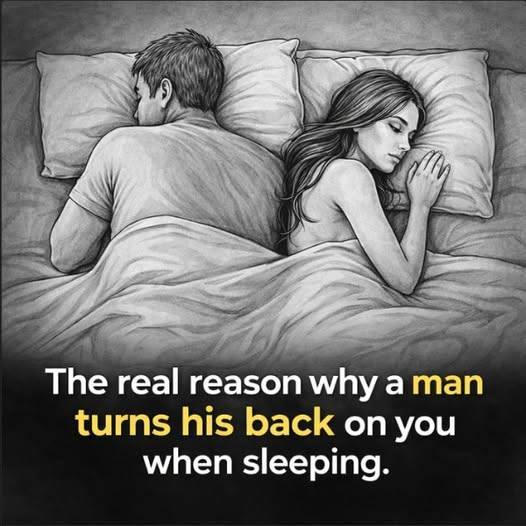
Many people notice how their partner sleeps—facing them, holding them, or turning away—and start wondering if it “means something” about the relationship.
But sleep behavior is actually far more about comfort, body physiology, and sleep quality than emotions or relationship status.
Let’s separate myths from reality.
🧠 First: Sleeping Position Is NOT a Relationship Test
A common misconception is:
- Facing you = love and closeness
- Turning away = emotional distance
In reality, sleep posture is not a reliable indicator of feelings. People move during sleep for many physical and neurological reasons that have nothing to do with emotions.
💤 1. Comfort and body temperature
One of the biggest reasons people turn away while sleeping is simple comfort.
The body naturally regulates temperature during sleep:
- Turning away can help reduce heat buildup
- Less body contact = cooler sleep
- Better airflow = deeper rest
👉 This is especially common in warm environments or during deep sleep cycles.
🧠 2. Natural sleep movement (we all move!)
Most people change positions multiple times during the night without realizing it.
This happens because:
- The brain cycles through sleep stages
- Muscles relax and shift
- Pressure points need relief
Turning away, rolling over, or shifting positions is completely normal and healthy.
🧍 3. Sleep quality and personal space
Some people sleep better with more space.
This can mean:
- Less disturbance from movement
- Reduced light or noise sensitivity
- A more stable sleep position
👉 For many individuals, turning away is simply a way to sleep more deeply, not a sign of emotional distance.
❤️ 4. Emotional connection is NOT defined by sleep posture
Relationship strength is built through:
- Communication during waking hours
- Emotional support
- Trust and shared experiences
- Affection in daily life
Sleep is a biological state, not a communication tool.
A partner can turn away in sleep and still be deeply connected emotionally in real life.
🧬 5. Stress, fatigue, and unconscious behavior
Stress or exhaustion can also affect sleep position.
People may:
- Seek less stimulation during sleep
- Avoid contact to reduce disruption
- Move away unconsciously during deep sleep
This is not intentional—it is the body trying to recover.
⚖️ When should you actually pay attention?