 Skip to content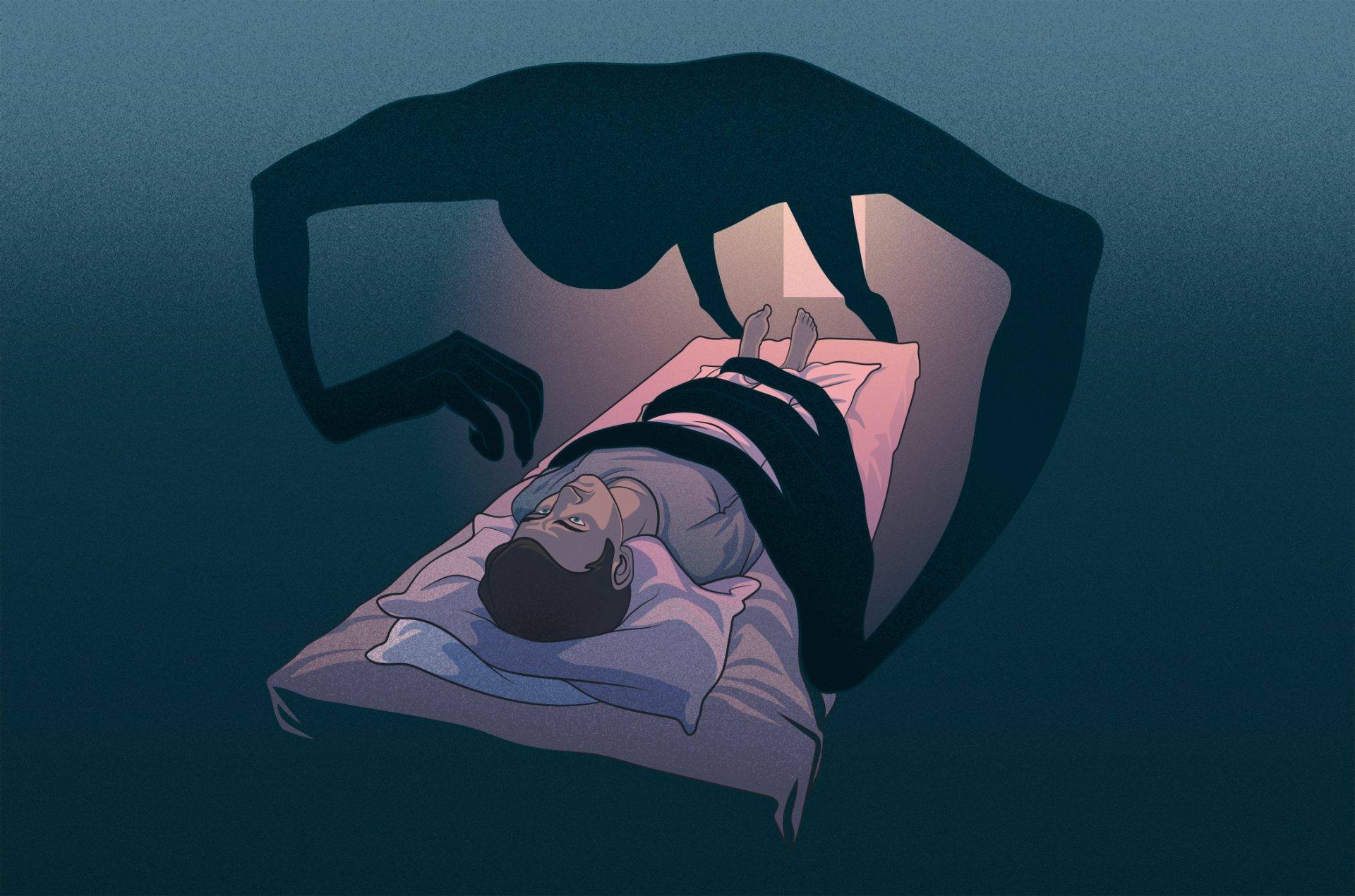
🧠😴 1. What Is Nocturnal Immobility (Sleep Paralysis)?
Sleep paralysis occurs when your brain wakes up before your body does.
During normal sleep, your body goes through cycles:
- Light sleep
- Deep sleep
- REM sleep (dream stage) 🌙
In REM sleep:
👉 Your brain is active (you dream)
👉 Your body is temporarily “paralyzed” to prevent you from acting out dreams
This is a protective mechanism.
💡 Sleep paralysis happens when:
- Your mind becomes awake
- But your body remains in REM “lock mode”
⚡🧠 2. The Brain Is Awake, But the Body Is Still “Offline”
In sleep paralysis, two systems become temporarily out of sync:
🧠 Conscious brain:
- Fully awake
- Aware of surroundings
- Able to think clearly
💤 Motor system:
- Still in REM shutdown mode
- Muscles remain inactive
- Body cannot respond
💡 Result:
You feel mentally awake but physically trapped.
😱👁️ 3. Hallucinations Can Make It Feel Even More Real
Many people experience vivid sensations during sleep paralysis.
These may include:
- A feeling of pressure on the chest 🫁
- The sensation of someone in the room 👤
- Shadows or figures in the corner of vision 🌑
- Strange sounds or whispers 🔊
These are called hypnagogic or hypnopompic hallucinations.
💡 Why they happen:
The dreaming part of the brain is still partially active while you are awake.
🫀😨 4. Why It Feels So Scary (Even Though It’s Harmless)
Sleep paralysis often triggers intense fear because:
- You are conscious but unable to move
- The brain interprets the situation as danger
- Stress hormones (like adrenaline) activate
💡 Result:
Rapid heartbeat ❤️, panic, and a feeling of helplessness.
But medically:
👉 It is not dangerous
👉 It does not cause physical harm
👉 It usually lasts a few seconds to a few minutes
🧬⚖️ 5. Common Triggers of Sleep Paralysis