 Skip to content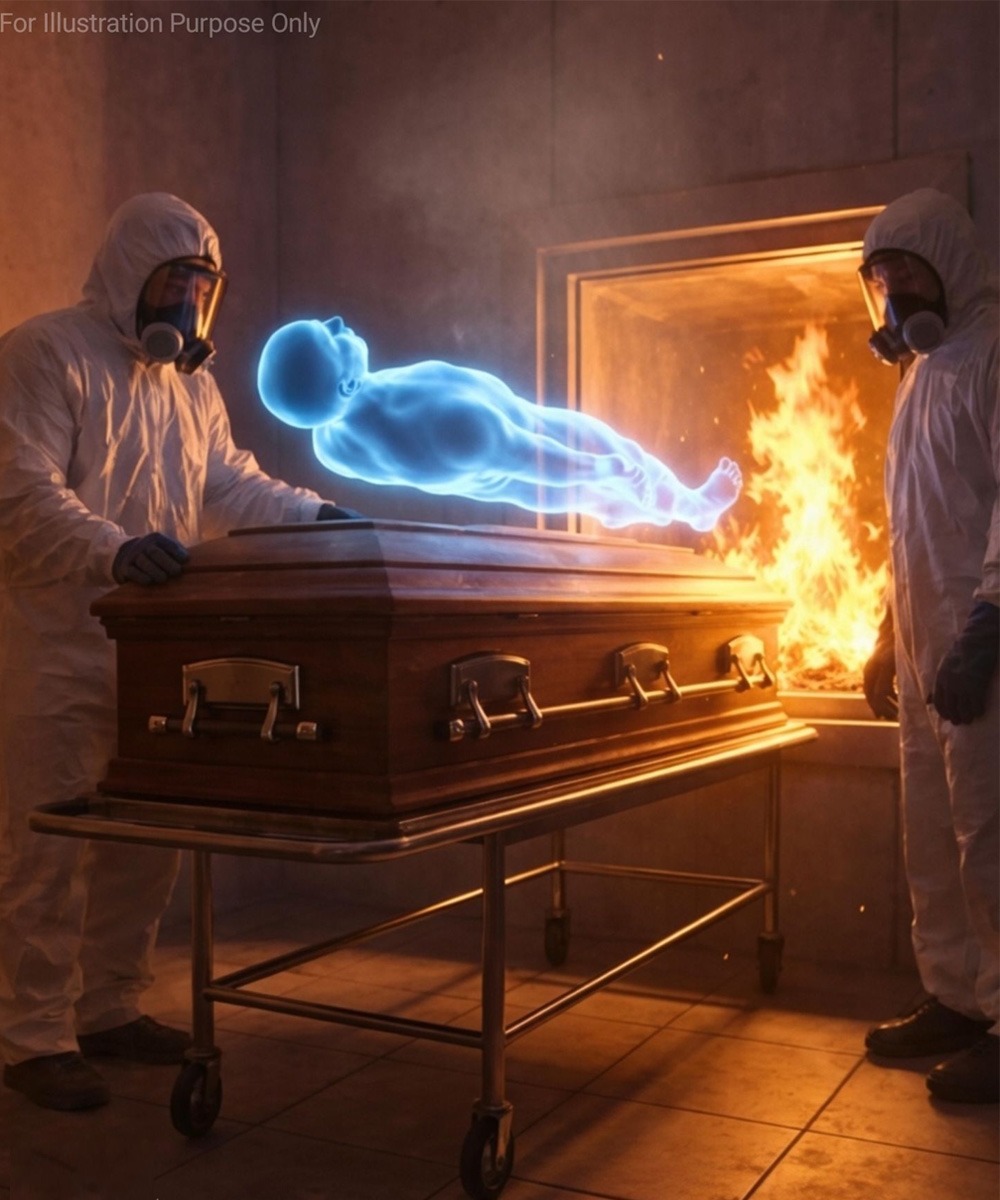
For generations, many people have heard the claim: “Cremation is a sin.”
It’s a belief that can create confusion, fear, and even guilt—especially when families are making deeply personal decisions about end-of-life arrangements.
But here’s the honest truth:
👉 The Bible does not clearly state that cremation is a sin.
So where did this idea come from? And what does Scripture actually say?
Let’s take a closer, thoughtful look.
📖 Does the Bible Forbid Cremation?
If you search through the Bible, you won’t find a direct command that says, “You must not cremate the body.”
There is no explicit prohibition against cremation in Scripture.
However, most burials described in the Bible—such as those of Abraham, Moses, and Jesus Christ—involved placing the body in the ground.
Because of this, many believers came to view burial as the “traditional” or “preferred” method.
⚖️ Why Some Believe Cremation Is Wrong
The belief that cremation is sinful usually comes from interpretation—not direct teaching.
Here are a few reasons often cited:
1. 🔥 Fire Is Sometimes Linked to Judgment
In certain passages, burning is associated with punishment or judgment. This led some to feel cremation carries a negative spiritual meaning.
But context matters—these references are symbolic or tied to specific events, not funeral practices.
2. 🌱 The Body as a “Temple”
Verses like 1 Corinthians 6:19 describe the body as a temple. Some interpret this to mean the body should be preserved intact.
However, others point out that after death, the body naturally returns to dust—whether through burial or cremation.
3. ✝️ Tradition and Cultural Influence
For centuries, burial has been the dominant practice in many Christian communities. Over time, tradition became mistaken for a strict biblical rule.
🌍 What Many Christian Scholars Say Today
Modern theologians and biblical scholars generally agree on something important:
👉 Cremation does not affect a person’s salvation or eternal destiny.
Faith, not the physical state of the body, is central to Christian belief.
Many also emphasize that God’s power is not limited by physical processes—whether a body returns to dust naturally or through cremation.
🧠 A Key Perspective: “Dust to Dust”
In Book of Genesis 3:19, it says:
“For dust you are and to dust you shall return.”
This verse is often referenced in discussions about burial and cremation.
The important takeaway?
👉 The body will return to dust either way—over time through burial, or more quickly through cremation.
⚰️ What About Resurrection?