 Skip to content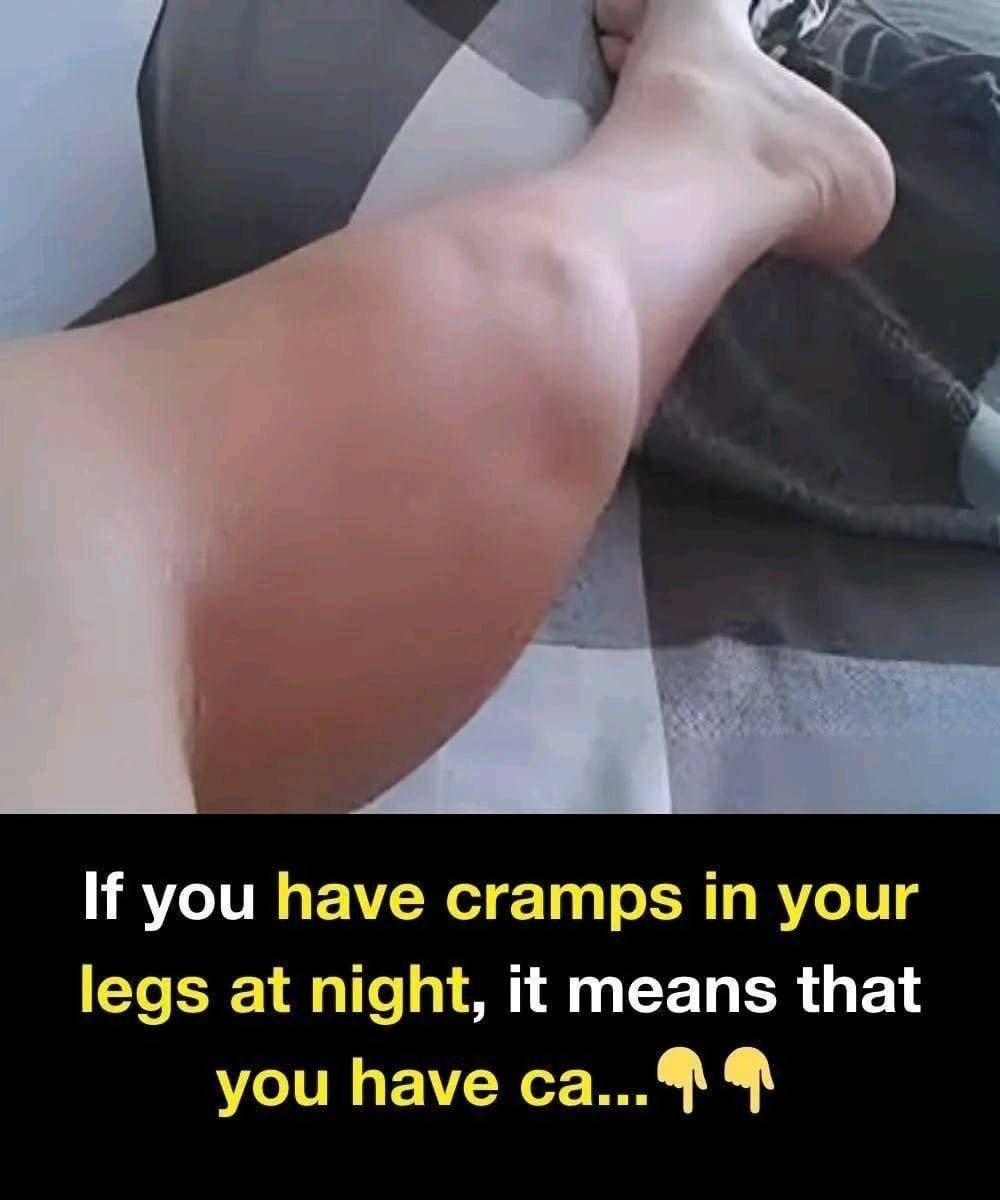
Night leg cramps are one of those uncomfortable experiences that can wake you up suddenly, leaving you in pain, confused, and searching for relief in the middle of the night. If you’ve ever felt a sudden tightening or “charley horse” in your calf, foot, or thigh while sleeping, you’re not alone. Millions of people experience this issue regularly—and many wonder what their body is trying to tell them.
In this article, we’ll break down the real possible causes of night leg cramps, what your body might be signaling, common myths, and what you can do to reduce or prevent them naturally. Some causes are simple and harmless, while others may indicate that your body needs attention.
😴 What Are Night Leg Cramps?
Night leg cramps are sudden, involuntary muscle contractions that usually happen in the calves, feet, or thighs while you are resting or sleeping. They can last from a few seconds to several minutes and may leave soreness even after the pain disappears.
Unlike normal muscle fatigue, these cramps often strike without warning, especially at night when your body is relaxed.
⚠️ Possible Reasons You Get Leg Cramps at Night
There is no single cause behind night leg cramps. Instead, several lifestyle, dietary, and physical factors may contribute.
💧 1. Dehydration (Most Common Cause)
Not drinking enough water during the day can cause your muscles to become more sensitive and prone to cramping. When your body lacks fluids, nerve signals and muscle function become less stable.
👉 Signs you may be dehydrated:
- Dry mouth
- Dark urine
- Fatigue
- Headaches
Staying hydrated is one of the simplest ways to reduce cramps.
🧂 2. Electrolyte Imbalance
Your muscles depend on minerals like:
- Magnesium
- Potassium
- Calcium
- Sodium
When these are out of balance, your muscles may misfire and contract unexpectedly.
A low level of magnesium or potassium, in particular, is often linked to muscle cramps at night.
Foods rich in these nutrients include bananas, nuts, leafy greens, dairy products, and legumes.
🦵 3. Muscle Fatigue or Overuse
If you spend long hours standing, walking, exercising, or doing physical work, your leg muscles may become overworked. At night, when the muscles relax, they can suddenly cramp due to fatigue buildup.
This is very common among:
- Athletes
- Workers who stand all day
- People starting new workout routines
🛌 4. Poor Sleeping Position
Sometimes, your sleeping posture can shorten the calf muscles for long periods, leading to cramping. Pointing your toes downward while sleeping can increase the risk.
A simple adjustment in sleeping position can significantly reduce cramps.
🩸 5. Poor Blood Circulation
Reduced blood flow to the legs can trigger cramps, especially at night when circulation naturally slows down.
Risk factors include: