 Skip to content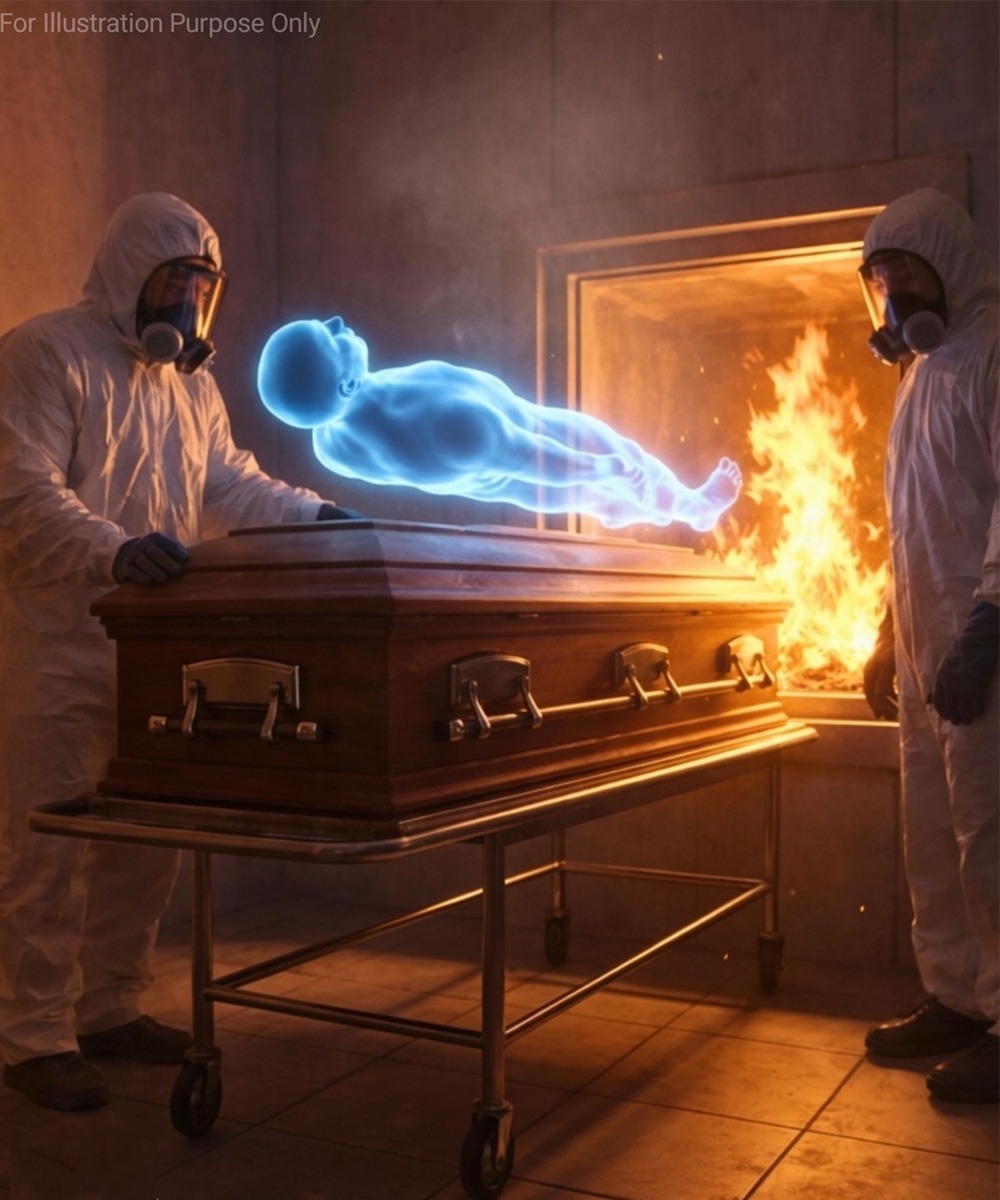
You may have seen strong claims online like: “The Bible says cremation is a sin.” These statements can sound convincing—but when you look closely at Scripture and history, the picture is more nuanced.
This article explores what the Bible actually says about cremation, how different Christian traditions understand it, and what really matters from a faith perspective.
🧠 First: Does the Bible Explicitly Forbid Cremation?
The short answer is: No, the Bible does not directly state that cremation is a sin.
There is no clear commandment in Scripture that says cremation is forbidden.
However, burial is more commonly described, which is why some people assume it is the only acceptable practice.
⚰️ Burial Was the Common Practice in Biblical Times
In the Old Testament and New Testament, burial was the standard method of handling the dead.
For example:
- Abraham buried his wife Sarah
- Jesus Christ was placed in a tomb after crucifixion
Because burial appears frequently, many believers see it as a tradition of respect and honor.
But tradition is not the same as a direct command.
🔥 Where Does Burning Appear in the Bible?
Fire is mentioned in the Bible in different contexts, but not always related to funeral practices.
In some passages, burning is associated with:
- Judgment
- Punishment
- Destruction
This has led some people to assume cremation carries negative meaning.
However, these references are symbolic or situational—not general rules about funeral practices.
📖 Key Point: Context Matters
Biblical references to burning often relate to:
- Specific historical events
- Acts of judgment
- Unique circumstances
They are not presented as universal instructions for all believers.
🧠 Christian Beliefs About the Body and Resurrection
One reason cremation is debated is because of beliefs about resurrection.
Christian teaching emphasizes that:
- The body is important
- There will be a future resurrection
However, most theologians agree:
👉 God’s power is not limited by the physical state of the body.
Whether a body is buried, cremated, or lost over time, resurrection is understood as a spiritual and divine act—not dependent on physical preservation.
⛪ Different Christian Views Today
Modern Christian perspectives vary:
✔️ Some prefer burial
- As a continuation of biblical tradition
- As a symbolic act of respect
✔️ Others accept cremation
- As a practical option
- As not contradicting core beliefs
Many Christian denominations today do not consider cremation a sin, especially when chosen respectfully.
🧠 Cultural and Historical Influence
In earlier centuries, some groups rejected cremation because it was associated with:
- Non-Christian practices
- Cultural differences
- Historical conflicts
Over time, these views have evolved.
Today, cremation is widely accepted in many parts of the world.
⚖️ What Matters More Than the Method?