 Skip to content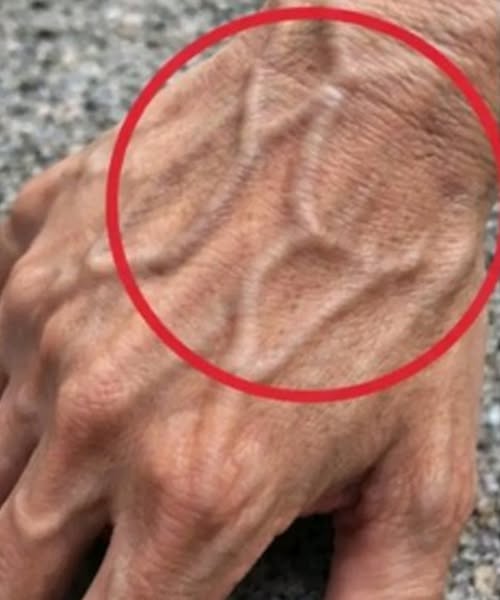
1. The Science Behind Visible Veins 🧬
Have you ever looked at your hands or arms and noticed your veins standing out clearly beneath your skin? It’s something many people experience, yet it often leads to confusion and curiosity. Some assume it’s a sign of strength, others worry it might be a health issue. But what does it really mean?
Visible veins are most commonly linked to how your body is naturally structured. One of the biggest factors is skin thickness. People with thinner or more transparent skin tend to have veins that are easier to see. This is especially noticeable in areas like the hands, wrists, and forearms.
Another important element is body fat percentage. Fat acts as a layer between your skin and veins. When that layer is thinner, veins become more visible. This is why individuals who are physically active or lean often notice more prominent veins. However, it’s important to understand that this doesn’t automatically mean someone is stronger or healthier—it’s simply a physical trait.
Blood circulation also plays a key role. When your body is active, such as during exercise, your muscles require more oxygen. This causes blood vessels to expand, making veins appear larger and more noticeable. This effect is completely natural and temporary.
Genetics should not be overlooked either. If your family members have visible veins, chances are high that you will too. Your body’s vascular structure is largely inherited, meaning this trait is often something you’re born with rather than something you develop.
In simple terms, if you have visible veins, it usually means your body has a combination of traits—like thinner skin, lower fat levels, or efficient circulation—that make them easier to see. It’s not a mystery, just biology working as intended.
2. Surprising Everyday Factors That Make Veins Stand Out 💡
While your natural body composition is important, there are several everyday factors that can influence how visible your veins appear. Some of these might surprise you because they can change from day to day.
Temperature is one of the biggest influences. In warm weather, your body works to cool itself by expanding blood vessels. This makes veins appear more prominent. That’s why you may notice your veins more during summer or after a hot shower. In contrast, cold temperatures cause blood vessels to constrict, making veins less visible.
Hydration is another factor. When you are properly hydrated, your blood volume is balanced, and your veins may appear fuller. Dehydration, on the other hand, can reduce blood volume and sometimes make veins less noticeable—but it can negatively affect your overall health, so it’s not something to rely on.
Physical activity can temporarily change vein visibility as well. After a workout, your veins may look more pronounced due to increased blood flow and muscle expansion. This is often referred to as the “pump” effect and is completely normal.
Age also plays a role. As you get older, your skin naturally becomes thinner and loses elasticity. This makes veins more visible over time, particularly on the hands and arms. It’s a natural part of aging and not necessarily a sign of poor health.
Hormonal changes—such as those that occur during pregnancy or other life stages—can also increase blood volume, which may make veins more noticeable. These changes are usually temporary and return to normal over time.
All these factors show that visible veins are not fixed. They can change depending on your environment, habits, and even your daily routine. What you see today might not be exactly the same tomorrow.
3. When Should You Pay Closer Attention? ⚠️