 Skip to content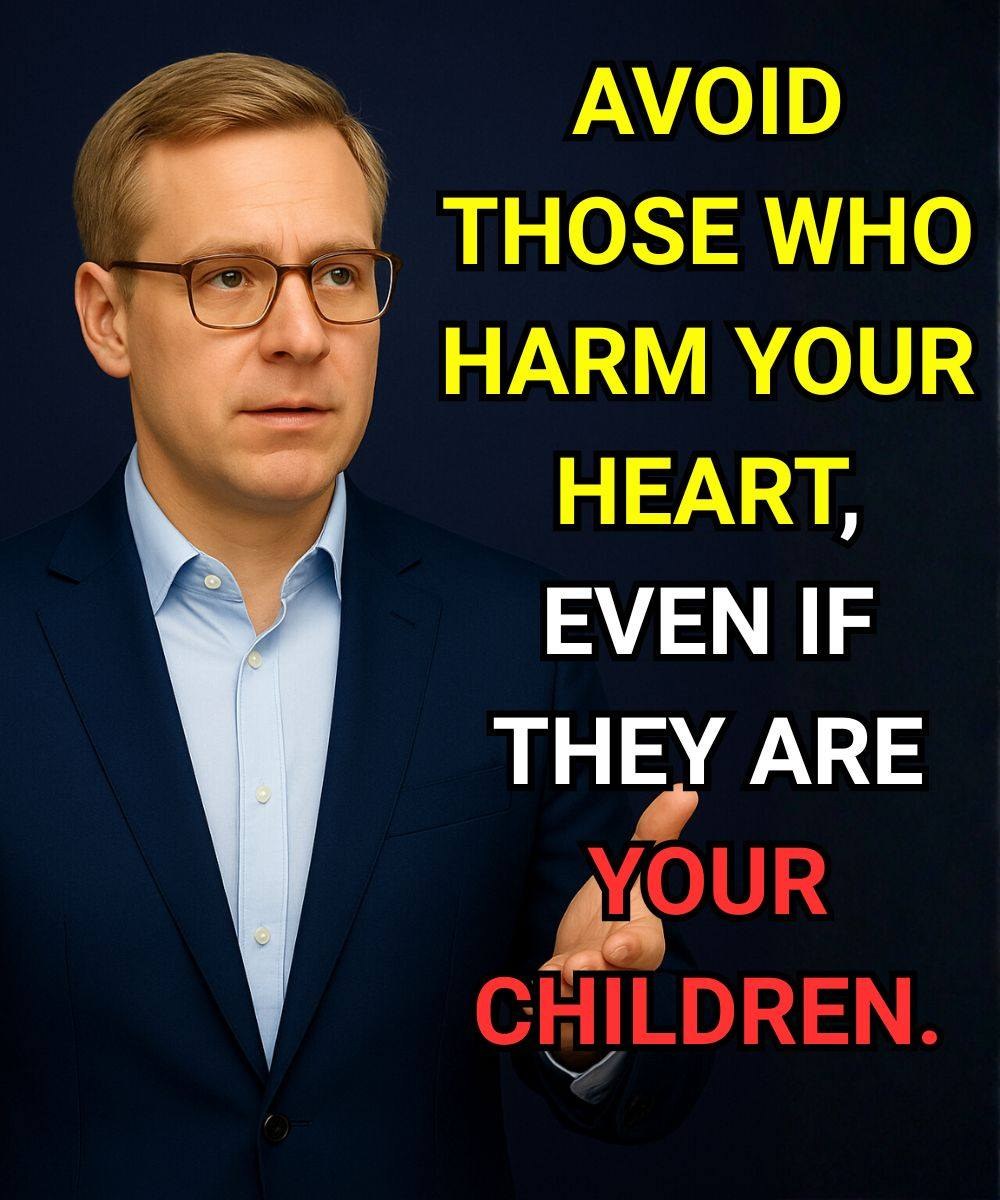
This statement may sound harsh at first. How could someone suggest distancing yourself from your own children? But when you look deeper, this idea is not about rejection—it’s about emotional health, boundaries, and self-respect, especially in difficult relationships.
Family bonds are some of the strongest connections in human life. Parents love their children deeply, often unconditionally. But life is also complex, and not all relationships remain healthy or respectful over time. Sometimes, even within families, emotional pain can exist.
This is where understanding emotional boundaries becomes important.
🧠 1. LOVE DOES NOT MEAN ENDURING CONSTANT PAIN
Many parents believe they must accept any behavior from their children no matter how painful it becomes. While love is important, endless emotional suffering is not a requirement of love.
A healthy relationship—whether between parent and child or any other bond—should include:
- Respect
- Communication
- Emotional safety
When a relationship repeatedly causes stress, humiliation, or emotional harm, it becomes important to recognize that something is unbalanced.
💔 2. WHEN FAMILY RELATIONSHIPS BECOME EMOTIONALLY HARMFUL
Emotional harm can take many forms, even within families:
- Constant criticism or disrespect
- Manipulation or guilt-tripping
- Ignoring boundaries repeatedly
- Emotional neglect or coldness
In some cases, parents may feel emotionally drained after interactions with their own children. This does not mean they stop loving them—it means the relationship may need adjustment or distance for emotional well-being.
🧘 3. WHY EMOTIONAL BOUNDARIES ARE NECESSARY
Boundaries are not walls—they are guidelines for healthy interaction.
Setting boundaries helps:
- Protect mental health
- Reduce emotional stress
- Encourage respectful behavior
- Prevent long-term resentment
Even within families, boundaries can create healthier relationships over time.
A parent may still love their child deeply while also choosing to:
- Limit certain conversations
- Reduce contact during conflict
- Refuse disrespectful treatment
This is not rejection—it is protection.
🧠 4. UNDERSTANDING THAT CHILDREN ARE ALSO INDIVIDUALS
One difficult truth in parenting is that children grow into independent adults with their own personalities, choices, and behaviors.
Sometimes, those choices may lead to:
- Emotional distance
- Conflicts in values
- Difficult communication patterns
Recognizing this helps parents understand that they are not responsible for controlling another adult’s behavior—but they are responsible for their own emotional health.
⚖️ 5. LOVE AND DISTANCE CAN COEXIST
A very important concept often misunderstood is that love does not always require closeness.
It is possible to:
- Love someone deeply
- But still keep emotional distance for self-protection
This applies in many relationships, including family. Distance does not always mean hatred—it can mean self-preservation and healing.
🌿 6. THE COST OF IGNORING EMOTIONAL PAIN