 Skip to content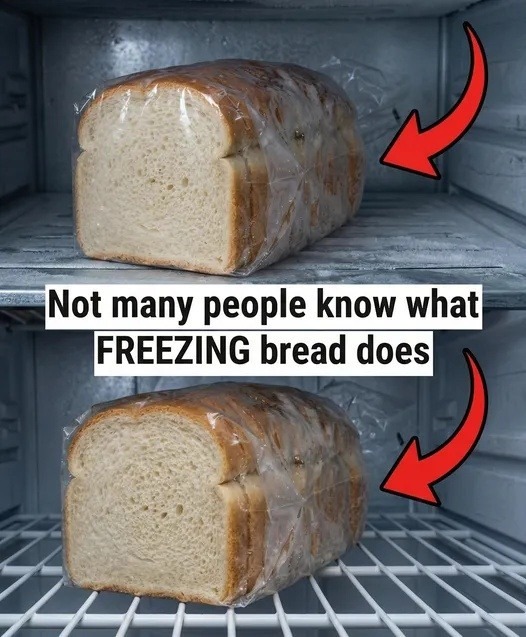
Freezing bread is something many households do—but most people don’t actually understand what happens to it inside the freezer. Some think it “ruins” the bread, while others swear it keeps it fresh for weeks.
So what’s the truth?
Let’s break it down in a simple, science-based way 👇
🧠 First: What Freezing Actually Does to Bread
When bread is placed in the freezer, it is exposed to extremely low temperatures (around -18°C or lower). At this temperature:
- 💧 The water inside the bread turns into ice crystals
- 🧬 Microbial growth (mold and bacteria) is paused
- 🕒 Staling slows down dramatically
This means the bread is not “dead” or damaged—it is essentially put into a pause mode.
🍞 The Science of Freshness Preservation
Bread normally goes stale due to a process called starch retrogradation.
Starch retrogradation
This is when starch molecules in bread rearrange over time, making it:
- Harder
- Drier
- Less soft and fluffy
Freezing slows this process significantly, which is why frozen bread often tastes fresher than bread left at room temperature for several days.
❄️ What Happens to Texture in the Freezer?
While freezing preserves freshness, it can slightly change texture depending on how it’s done.
🧊 Inside the freezer:
- Water inside bread forms ice crystals
- Gluten structure becomes temporarily rigid
- Bread becomes hard and firm
This is completely normal and reversible.
🍞 What Happens When You Thaw It?
When bread is removed from the freezer:
- 💧 Ice crystals melt back into water
- 🫓 Texture softens again
- 🍞 Aroma and taste return close to original
If done properly, frozen bread can taste almost like fresh bread.
⚡ The Biggest Benefit: Longer Shelf Life