 Skip to content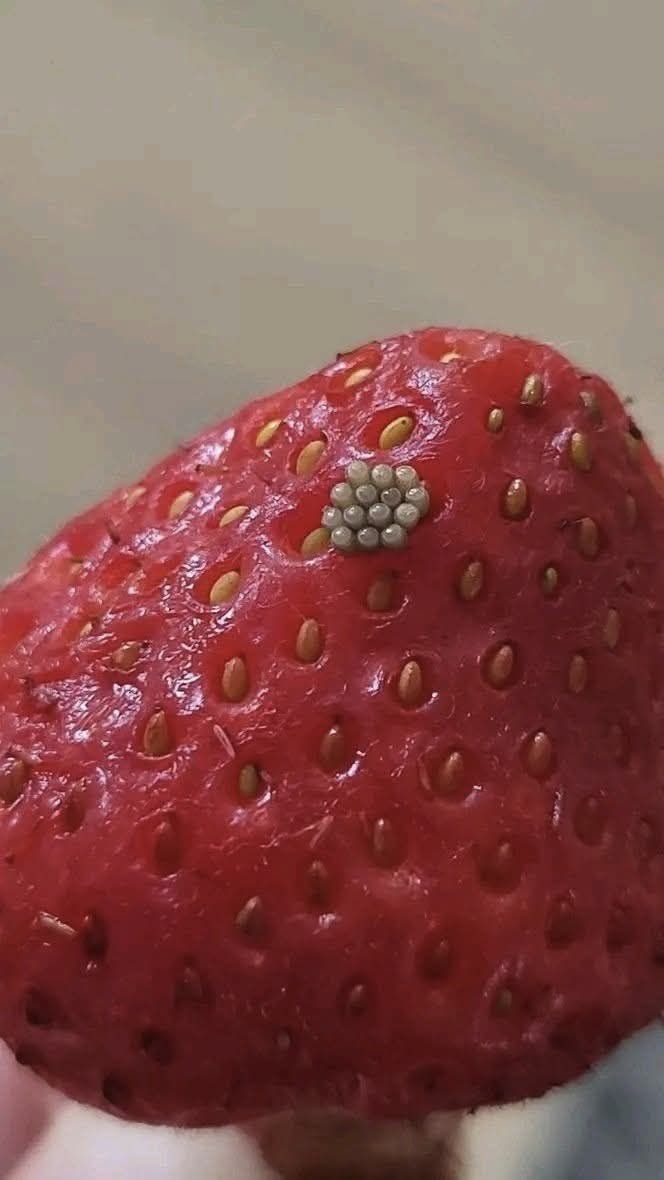
If you’ve ever soaked fresh berries in salt water and suddenly noticed tiny white, wiggling creatures coming out… your first instinct is probably to panic. It’s unsettling, no question. But before you toss everything in the trash, it’s worth understanding what’s really going on—and whether your berries are still safe to eat.
What Are Those White Wiggly Things?
Those tiny white larvae are usually the immature stage of small fruit flies, commonly linked to species like the spotted wing drosophila. These insects lay eggs inside soft fruits such as strawberries, raspberries, and blackberries. When you soak the fruit in salt water, the larvae are forced out, which is why you suddenly see them moving.
It’s not that the salt water created them—it just made something visible that was already there.
Is This Common?
Yes—more common than most people realize. Fresh produce, especially organic or minimally treated berries, can sometimes contain tiny insects or larvae. This is part of nature and farming, not necessarily a sign that your fruit is unsafe or poorly handled.
In fact, many people eat fruits like these regularly without ever noticing anything unusual, because the larvae are small and often hidden inside the fruit.
Are the Berries Still Safe to Eat?
Here’s the key point: in most cases, these larvae are not harmful to humans. Food safety experts generally agree that accidentally consuming them does not pose a health risk. While it may be unpleasant to think about, it’s not dangerous.
However, safety and comfort are two different things.
If the idea makes you uncomfortable, it’s completely reasonable to discard the berries. But from a strictly health perspective, thoroughly washing and inspecting the fruit can make it acceptable to eat.
Why Salt Water Works
Salt water is often used as a natural cleaning method for produce. The salt creates an environment that irritates or dislodges small insects and larvae, causing them to come out of the fruit.
This method is actually helpful if you want to clean your berries more thoroughly—it reveals what plain rinsing might miss.
How to Properly Clean Berries