 Skip to content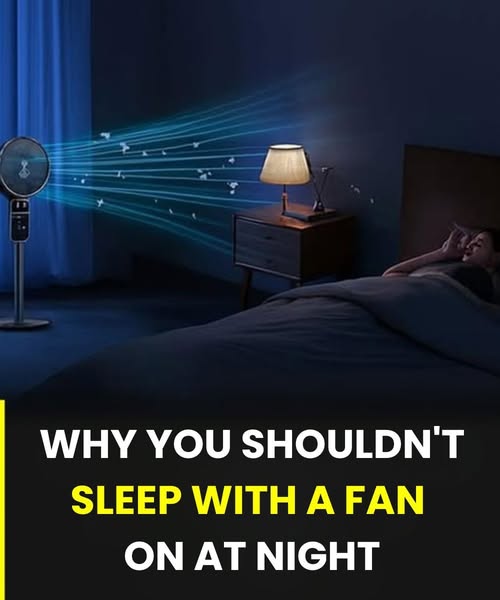
Sleeping with a fan on is extremely common—especially in warm climates. It feels refreshing, helps with heat, and can even improve sleep quality for many people. However, you may have also seen claims online saying it is “dangerous” or “unhealthy.”
The truth is more balanced: a fan is not inherently harmful, but how you use it and your personal health conditions can make a difference.
Let’s break it down clearly and realistically.
🌬️ 1. Dry Air Can Affect Your Throat and Skin
One of the most common effects of sleeping with a fan is dryness.
A fan:
- Circulates air continuously
- Speeds up evaporation of moisture from skin
- Can dry out the throat and nasal passages
This may lead to:
- Dry mouth in the morning
- Mild sore throat
- Dry or irritated skin
People with sensitive airways may notice this more.
🤧 2. Allergies and Dust Circulation
Fans do not create dust, but they move existing dust in the room.
This can sometimes:
- Spread allergens in the air
- Trigger sneezing or congestion
- Worsen symptoms in sensitive individuals
People with respiratory conditions may be more affected.
A related condition is Allergic Rhinitis.
💤 3. Muscle Stiffness in Some People
Direct cold air blowing on the body for many hours can sometimes lead to:
- Neck stiffness
- Shoulder discomfort
- Muscle tightness
This is more likely if the fan is pointed directly at one area for the whole night.
However, this varies greatly from person to person.
🧠 4. Sleep Quality: It’s Not Always Negative
Interestingly, for many people, fans actually improve sleep because they:
- Create white noise (blocks distractions)
- Keep the room cool
- Improve comfort in hot weather
Better sleep conditions can support overall health and well-being.
A sleep-related condition influenced by environment and habits is Insomnia.
🌡️ 5. Temperature Balance Matters More Than the Fan
The real issue is not the fan itself—it is overcooling or improper airflow.
Problems may arise when:
- The room is too cold
- Air is blowing directly on the body
- Humidity is too low
A balanced environment is more important than avoiding fans completely.
🫁 6. People with Respiratory Sensitivity Should Be Careful
Individuals with asthma or chronic respiratory conditions may notice discomfort if air is too dry or dusty.
A relevant condition is Asthma.
In these cases, improving air quality matters more than eliminating fans.
⚖️ So Is Sleeping With a Fan Bad?
👉 Not necessarily.
For most healthy people:
- It is safe
- It improves comfort
- It can help sleep quality
For sensitive individuals:
- It may cause dryness or mild irritation
- Adjustments can improve comfort
🌿 How to Use a Fan Safely at Night