 Skip to content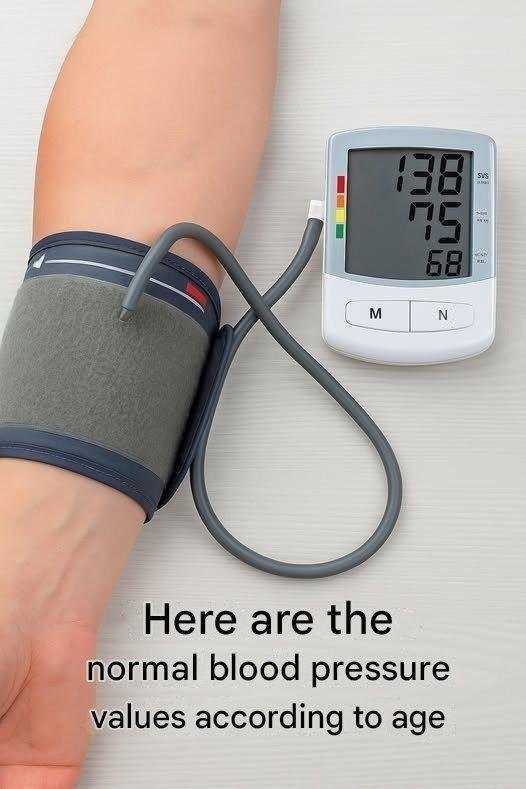
Blood pressure is one of the most important indicators of your heart and overall health. It shows how strongly your blood pushes against the walls of your arteries every time your heart beats. If it is too high or too low, it can affect your energy, heart, brain, and long-term health.
Many people don’t realize that blood pressure can naturally vary depending on age, lifestyle, and health condition. That’s why doctors often monitor it carefully over time instead of relying on a single reading.
In this article, we’ll break down normal blood pressure ranges by age, what the numbers mean, and when you should pay attention.
🧠 First, What Do Blood Pressure Numbers Mean?
Blood pressure is measured using two numbers:
- Systolic pressure (top number) ❤️ → pressure when the heart beats
- Diastolic pressure (bottom number) 💙 → pressure when the heart rests
👉 Example: 120/80 mmHg
- 120 = systolic
- 80 = diastolic
👶 Normal Blood Pressure in Children
Blood pressure in children is usually lower than in adults and varies based on age, height, and activity level.
- Newborns: around 60–90 / 20–60 mmHg
- Infants (1–12 months): around 70–100 / 30–65 mmHg
- Children (1–12 years): around 90–110 / 50–70 mmHg
💡 Note:
Doctors use growth charts and percentiles for children instead of fixed numbers.
🧑🎓 Teenagers (13–18 years)
During adolescence, blood pressure starts moving closer to adult levels.
- Normal range: 105–120 / 60–80 mmHg
💡 Important:
Lifestyle habits like diet, stress, and physical activity begin to have more influence at this stage.
🧑 Adults (19–40 years)
For most healthy adults, the ideal blood pressure is:
- Normal range: 110–120 / 70–80 mmHg
📌 Doctors often consider:
-
Pages: 1 2