 Skip to content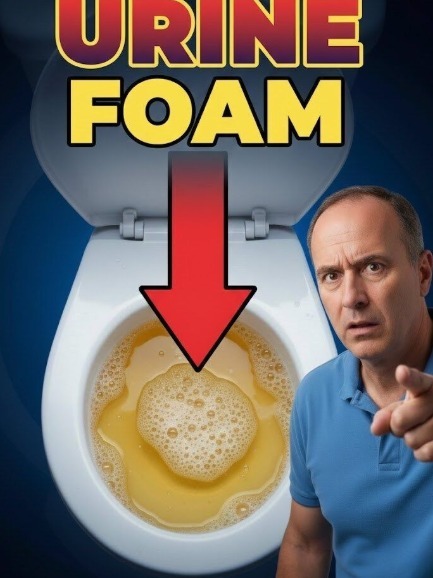
Noticing foam or bubbles in your urine can be surprising—and sometimes worrying. Many people immediately assume it signals something serious. But in reality, foamy urine can have both harmless and medical causes, depending on how often it happens and what other symptoms are present.
Let’s break it down clearly so you know what’s normal and what may need attention.
🧠 1. What Is Foamy Urine?
Foamy urine refers to urine that appears:
- Bubbly or frothy
- Thick foam that lingers in the toilet
- More noticeable than normal splashing bubbles
Occasional foam is usually harmless. Persistent foam, however, may need medical evaluation.
💧 2. Harmless Causes of Foamy Urine
In many cases, foamy urine is not dangerous and can happen due to simple reasons:
🚽 Fast Urination Flow
When urine hits the water forcefully, it can create temporary bubbles.
💦 Dehydration
Concentrated urine (from not drinking enough water) can appear foamy.
🧴 Cleaning Products in Toilet
Soap or detergent residue in the toilet bowl can react and create foam.
🥗 High-Protein Diet (temporary effect)
A very high protein intake may slightly change urine composition.
⚠️ 3. When Foamy Urine May Signal a Health Issue
If foamy urine is frequent, persistent, or worsening, it may indicate a medical condition.
One possible cause is protein leakage in the urine, which can be a sign of kidney stress.
A related condition is Proteinuria.
🧠 4. Kidney Function and Urine Foam
Healthy kidneys act as filters, keeping protein in the bloodstream.
If the kidneys are not filtering properly:
- Protein may leak into urine
- Urine may appear foamy or bubbly
- Foam may persist even after flushing
This is why doctors may recommend urine tests if foam is frequent.
🩺 5. Other Possible Medical Causes
Foamy urine can also appear in conditions such as:
- High blood pressure affecting kidneys
- Diabetes-related kidney changes
- Temporary kidney stress from illness or medication
A related metabolic condition that can affect kidney health is Diabetes Mellitus.
🚨 6. When You Should See a Doctor