 Skip to content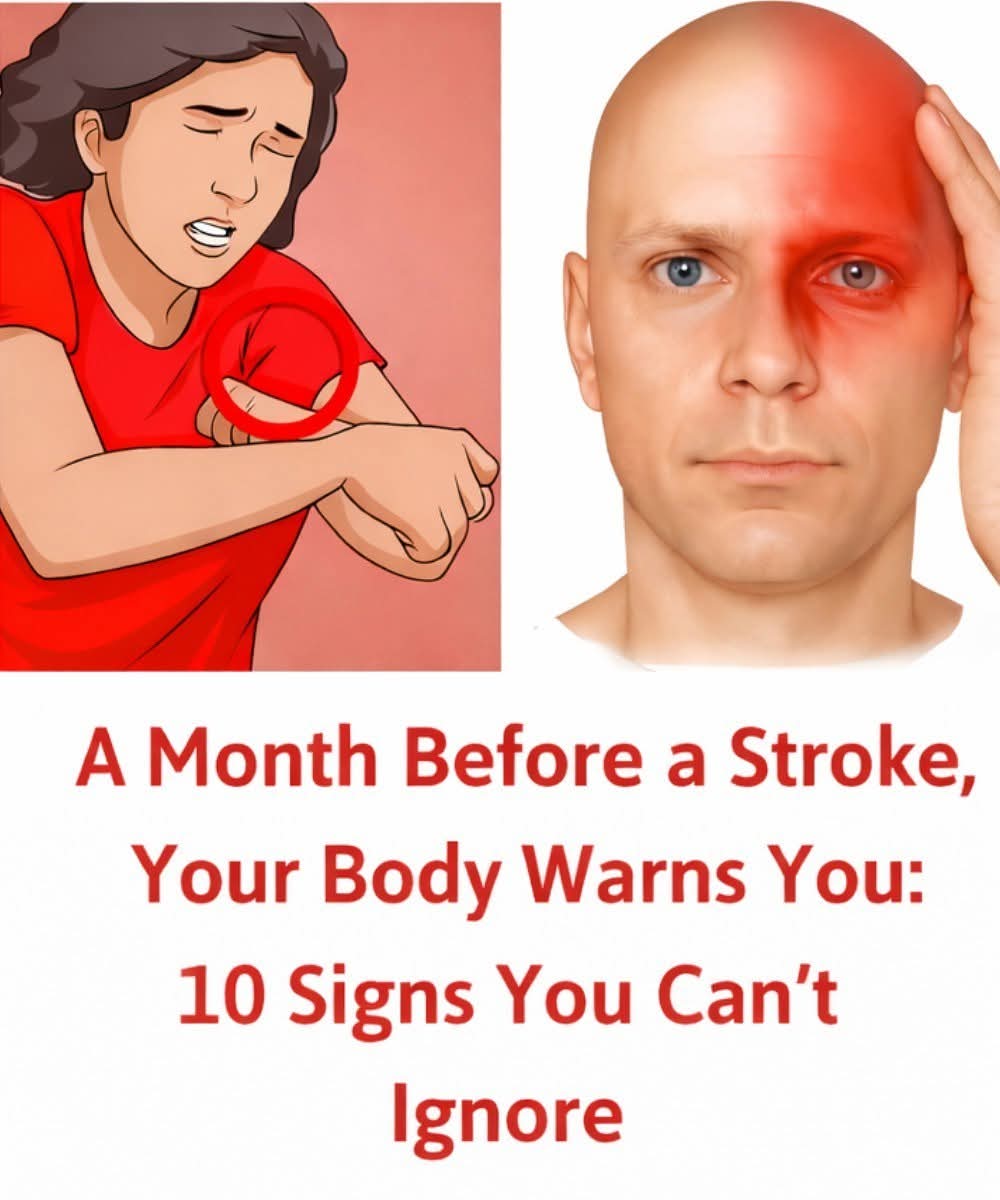
A stroke can happen suddenly, but in some cases, the body may send warning signals days or even weeks before it occurs. The problem is that many people ignore these early signs because they seem mild or unrelated.
A stroke happens when blood flow to the brain is blocked or interrupted, and one of the most common causes is Ischemic Stroke. Early recognition can save lives and prevent long-term damage.
Understanding the warning signs is not about fear—it’s about awareness and prevention.
Below are 10 possible warning signs that may appear before a stroke.
🧠 1. Sudden Frequent Headaches
Unusual or recurring headaches, especially if they feel different from your normal pattern, may be an early warning sign.
These headaches can feel:
- Intense or pressure-like
- Different from usual migraines
- Accompanied by dizziness
😵 2. Dizziness or Loss of Balance
Feeling unsteady, dizzy, or having trouble walking straight may indicate reduced blood flow to the brain.
You might notice:
- Stumbling
- Difficulty standing
- Sudden imbalance
👁️ 3. Vision Problems
Changes in vision can appear suddenly or come and go.
Warning signs include:
- Blurred vision
- Double vision
- Temporary loss of sight in one eye
🗣️ 4. Difficulty Speaking Clearly
One of the most important early warning signs is trouble with speech.
This may include:
- Slurred speech
- Difficulty finding words
- Confusion while talking
🧠 5. Memory or Confusion Issues
You may experience:
- Forgetfulness
- Difficulty concentrating
- Confusion in simple tasks
These signs may be subtle but important.
😴 6. Unusual Fatigue
Extreme tiredness without a clear reason can sometimes signal reduced oxygen supply to the brain.
This is not normal daily tiredness—it feels deeper and persistent.
🖐️ 7. Numbness or Tingling
A warning sign often linked to stroke risk is sudden numbness, especially on one side of the body.
You may feel:
- Tingling in arm or leg
- Weakness in one side
- Loss of coordination
💓 8. Irregular Heartbeat
Heart rhythm issues can increase stroke risk by affecting blood flow.
A related condition is Atrial Fibrillation, which significantly raises the risk of blood clots traveling to the brain.
🧍♂️ 9. Sudden High Blood Pressure
Uncontrolled blood pressure is one of the strongest risk factors for stroke.
This condition, known as Hypertension, can damage blood vessels over time and increase stroke risk.
Signs may include:
- Head pressure
- Nosebleeds
- No symptoms at all (silent condition)
⚠️ 10. Mini-Stroke Symptoms (TIA)